
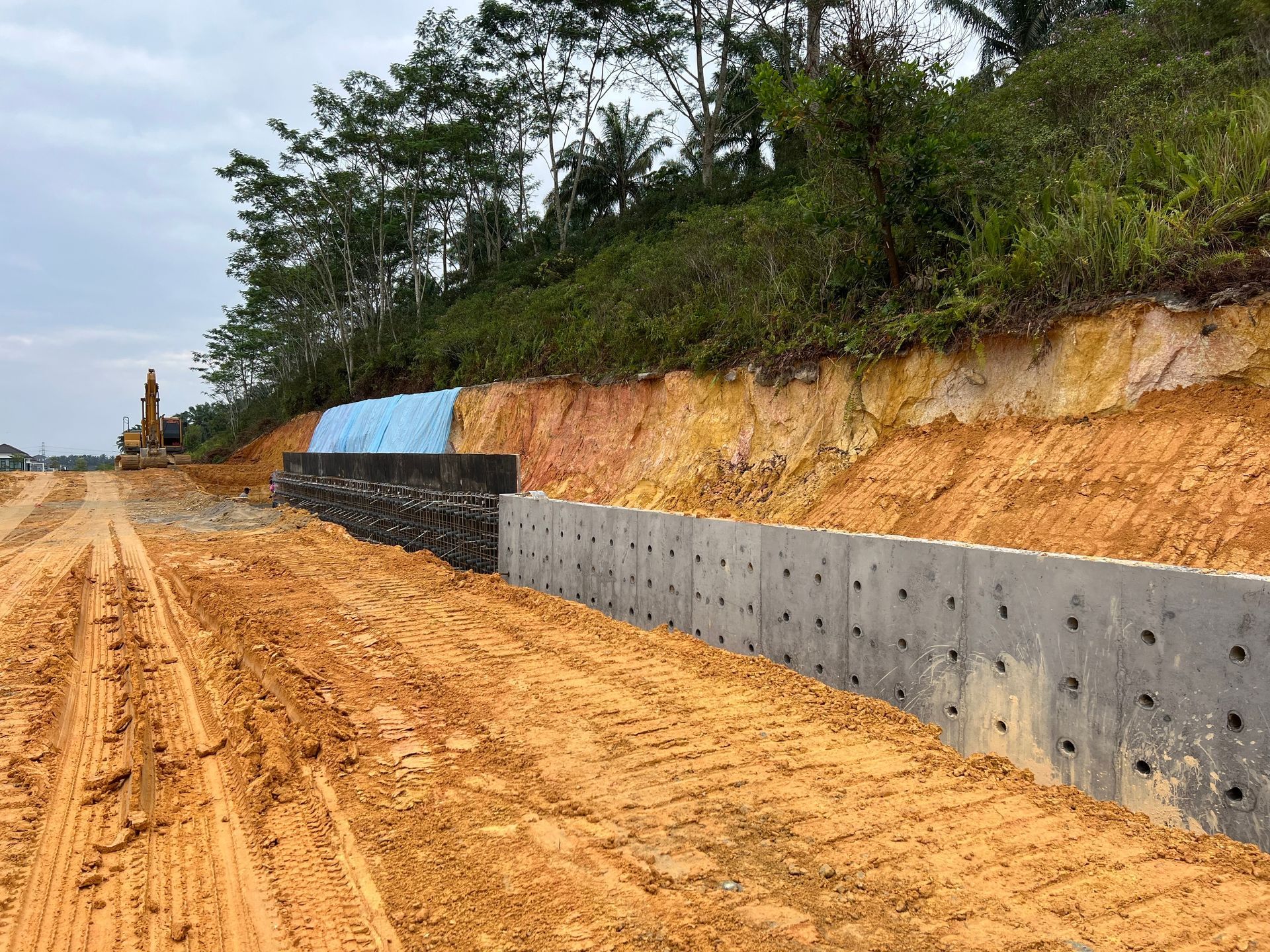
Structural Solutions for Sloped Properties
Retaining Wall Construction in Plaucheville for controlling erosion and creating usable terraced spaces
Soil that slides down slopes after heavy rain, shorelines that lose ground to wave action, and yards where elevation changes make landscaping difficult all point to the need for retaining structures. These installations hold soil in place by creating a barrier that resists the lateral pressure of earth and water pushing against it. Trinity Services builds retaining walls using stone, block, and timber materials engineered to handle the specific load conditions on your property, with drainage integrated behind the wall to prevent hydrostatic pressure from building up and pushing the structure outward.
The work involves excavating to stable soil, constructing a foundation that prevents settling, and building the wall in layers that include drainage rock and perforated pipe behind the structure. This approach moves water away from the back of the wall rather than allowing it to accumulate, which is what causes many retaining walls to lean or fail over time.
Schedule an on-site assessment to evaluate slope conditions and discuss wall height and material requirements.
What Proper Wall Construction Requires
Retaining wall installation begins with calculating the pressure the soil will exert based on wall height and the weight of saturated earth after rainfall, then designing a structure with adequate mass and reinforcement to resist that force. Drainage integration behind the wall includes gravel backfill and weep holes or pipe systems that release water before pressure builds, preventing the wall from bowing or cracking under load.
You'll notice the slope stays in place during storms instead of washing soil onto lower areas, and the terraced spaces created by the wall become usable for planting, seating, or pathways that weren't possible on the original grade.
Wall design can be functional or decorative depending on visibility and landscaping goals, with stone offering natural appearance and concrete block providing structural strength for taller installations. Repair and replacement services address walls that have shifted due to inadequate drainage or foundation problems in existing structures.
Understanding what makes retaining structures stable and how they're built helps property owners evaluate options and plan for these installations.
Common Questions About Retaining Walls
What determines whether a wall needs professional engineering?
Wall height is the primary factor—structures over four feet tall typically require engineering calculations and permits in Louisiana, while shorter decorative walls may not need formal design if they're not retaining significant loads.
How does drainage work behind a retaining wall?
Gravel backfill and perforated drainage pipe placed at the base behind the wall collect water and direct it to outlet points, preventing hydrostatic pressure from building up and pushing against the structure.
What causes retaining walls to fail?
Inadequate drainage that allows water pressure to build behind the wall, foundations that weren't placed on stable soil, and structures built without accounting for the lateral load of saturated earth are the most common failure points.
Which materials last longest in this climate?
Natural stone and reinforced concrete block both handle moisture well, with material choice often depending on the wall's height and whether you want a natural or uniform appearance.
Trinity Services evaluates your slope conditions and designs retaining structures that address both erosion control and long-term stability. Request a site visit to discuss wall options and drainage requirements for your property.