
Cropland That Holds Water Where You Need It
Agricultural Field Drainage in Plaucheville for managing water runoff and preventing seasonal flooding
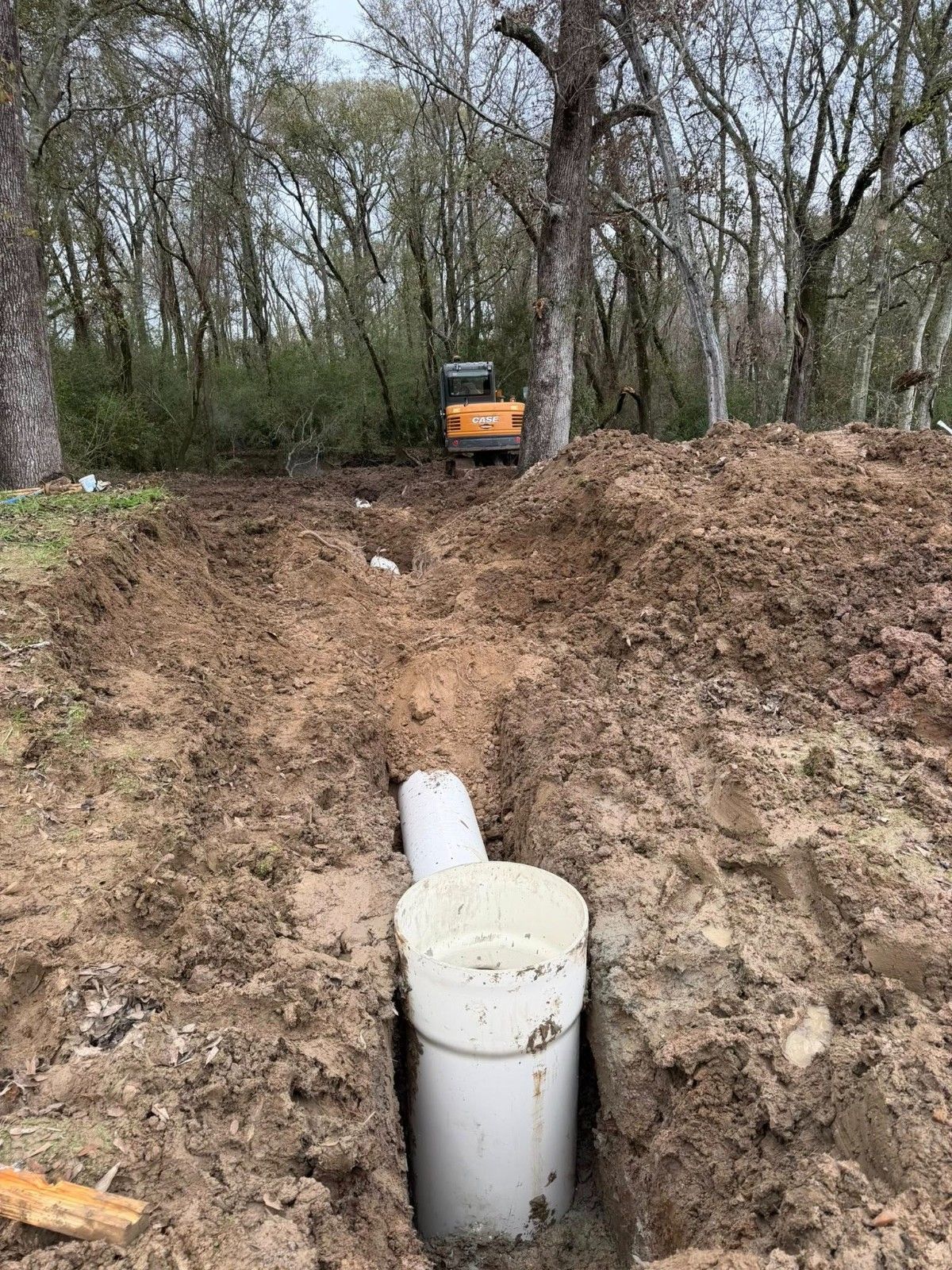
Trinity Services installs field drainage systems across Plaucheville designed to manage water movement through cropland and pastures. The work involves placing drainage tiles and piping below the surface to control how water moves through the soil profile during Louisiana's intense rainfall periods. You'll see the difference when fields that once held standing water for days after storms drain within hours, allowing equipment access and protecting root systems.
The service addresses how water moves across your property by combining subsurface drainage tile networks with surface grading that directs runoff away from planted areas. Installation accounts for soil type, field slope, and the specific crops or grasses you're managing, with pipe placement depth and spacing adjusted based on how quickly water percolates through your particular soil composition.
Request a site evaluation to identify drainage patterns and water accumulation zones across your fields.
How Drainage Systems Protect Soil Structure
Field drainage work starts with analyzing where water naturally collects and how the land slopes, then designing a tile system that intercepts subsurface water before it saturates the root zone. Tile lines are placed at depths and intervals calculated to lower the water table without removing moisture your crops need, while surface grading prevents erosion by controlling how runoff flows during heavy rain events.
Once the system is functioning, you'll notice fields dry faster after rain, equipment can enter sooner without compacting wet soil, and crops show more uniform growth because roots aren't alternating between waterlogged and dry conditions. Erosion control strategies integrated with the drainage design prevent topsoil loss along field edges and in areas where water concentrates.
The installation includes outlet structures that release collected water at controlled rates, preventing the discharge point from eroding. Proper drainage tile placement improves long-term soil health by maintaining oxygen levels in the root zone and reducing the compaction that occurs when equipment operates on saturated ground.
Agricultural drainage raises practical questions about system design, installation timing, and how the work integrates with existing field operations.
What Landowners Ask About Drainage Work
How deep are drainage tiles installed?
Tile depth depends on your soil type and what you're growing, but most agricultural tile systems in Plaucheville are placed between two and four feet deep, with spacing determined by how quickly water moves through your particular soil.
What happens to the drainage water once it's collected?
The tile network directs water to an outlet point, typically a ditch, stream, or constructed drainage basin, where it's released at a controlled rate to prevent erosion at the discharge location.
When should drainage work be scheduled?
Installation works best when fields are dry enough for equipment to operate without causing compaction, typically during drier months when the ground is firm and you're between planting cycles.
How does grading work with tile installation?
Land grading shapes the surface to direct runoff toward designed pathways while the subsurface tiles handle water that percolates down through the soil, creating a two-layer drainage approach that addresses both surface and groundwater.
What indicates a field needs better drainage?
Standing water that remains for more than 24 hours after rain, uneven crop growth patterns where low spots stay too wet, or soil that stays saturated long enough to delay planting or harvest operations all signal drainage problems.
Trinity Services designs drainage solutions based on your field conditions and operational needs. Schedule a property assessment to map water flow patterns and discuss system options for your land.